

The premium PHEV SUV is experiencing a curious moment. Batteries are bigger than ever, the official electric range approaches—and even exceeds—100 kilometers in several models, and yet buyers are still asking themselves the same question: how many kilometers will I actually get plugged in at home? Let's get down to brass tacks with a ranking based on official WLTP figures, with indicative prices and no embellishment.
Before we get into the details, an important reminder: the prices quoted are the manufacturer's suggested retail price (MSRP) , excluding dealer discounts, special offers, and any assistance from the Auto+ Plan . Please check the current price on the official website before signing.
Why real-world electric range rules in a premium PHEV SUV
A premium plug-in hybrid that doesn't plug in is essentially a heavy and expensive hybrid. The WLTP electric range figure represents the theoretical limit of what you can achieve without starting the combustion engine. In practice, we're talking about 70-85% of that figure in real-world mixed driving, less on the highway and in cold weather. That's why a model with a homologated range of 90 km typically delivers 65-75 km in real-world driving in spring—enough for most people's daily commute.
The DGT's ZERO emissions label (which requires ≥40 km of WLTP range) is easily met by all the candidates in this ranking. The filter here is more demanding: we look at those with over 80 km of homologated range and, if possible, those approaching 100 km.
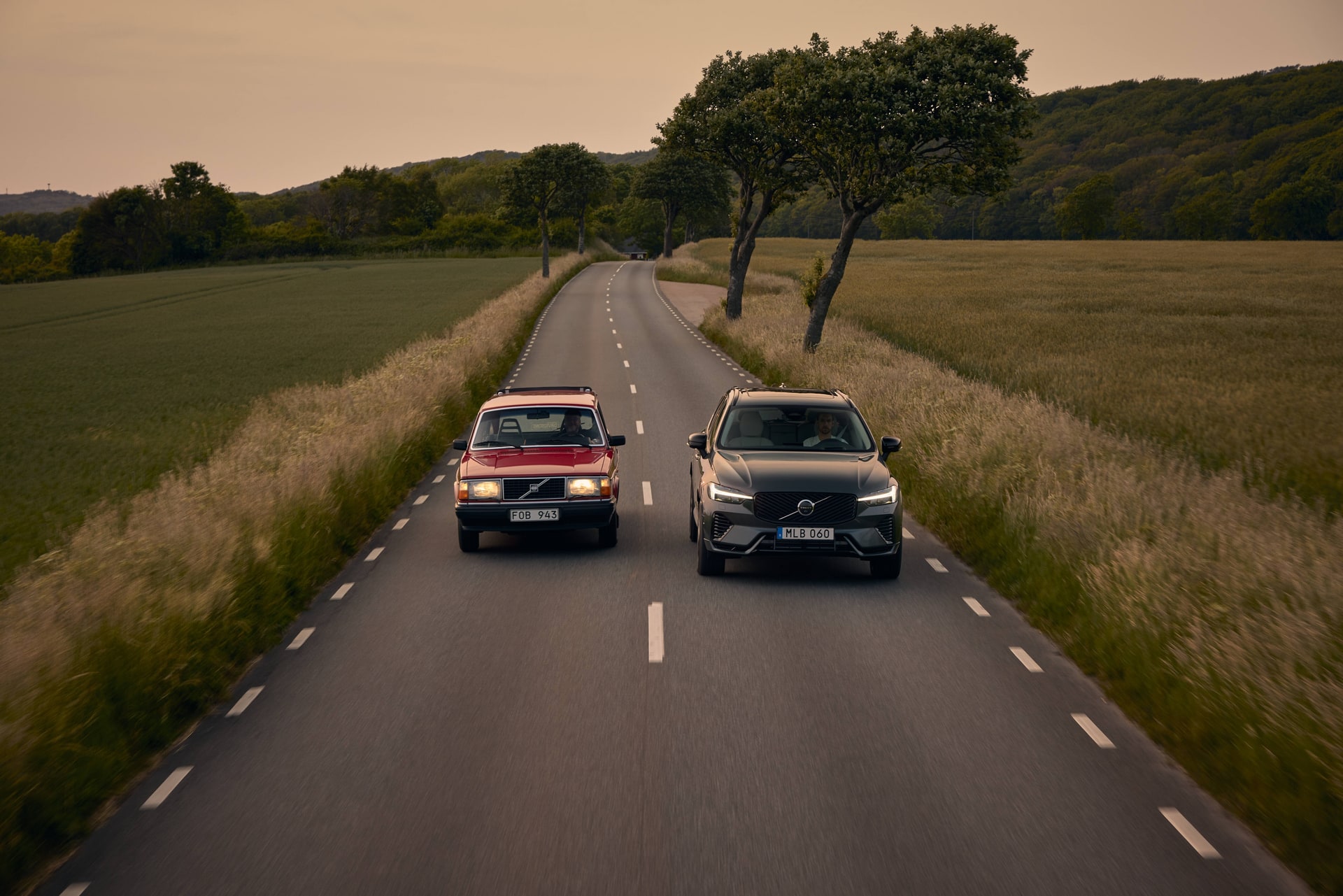
1. Volvo XC60 Recharge T6 AWD — from ~€68.000
In our opinion, the XC60 Recharge is the benchmark for the premium D-segment PHEV SUV in Spain. Volvo has been refining the battery generation after generation, and the current version boasts a WLTP electric range of around 81 km with an 18,8 kWh battery. Not bad at all for a nearly two-ton SUV with all-wheel drive and a 350 hp system.
The interesting thing about the XC60 isn't just the figure. It's that it charges at 6,4 kW AC, which means a full charge in just over three hours using a home wallbox. For daily use of 50-60 km, you plug it in at night and forget about gas during the week.
The interior remains a restrained example of Scandinavian design that ages gracefully. However, the vertical touchscreen with integrated Google is due for an update—in my opinion, the touch response lags behind BMW iDrive 8.
| Power | Fuel Efficiency: | Golden Label | WLTP electrical autonomy |
|---|---|---|---|
| 258 kW (350 hp) | PHEV | ZERO | ~ 81 km |
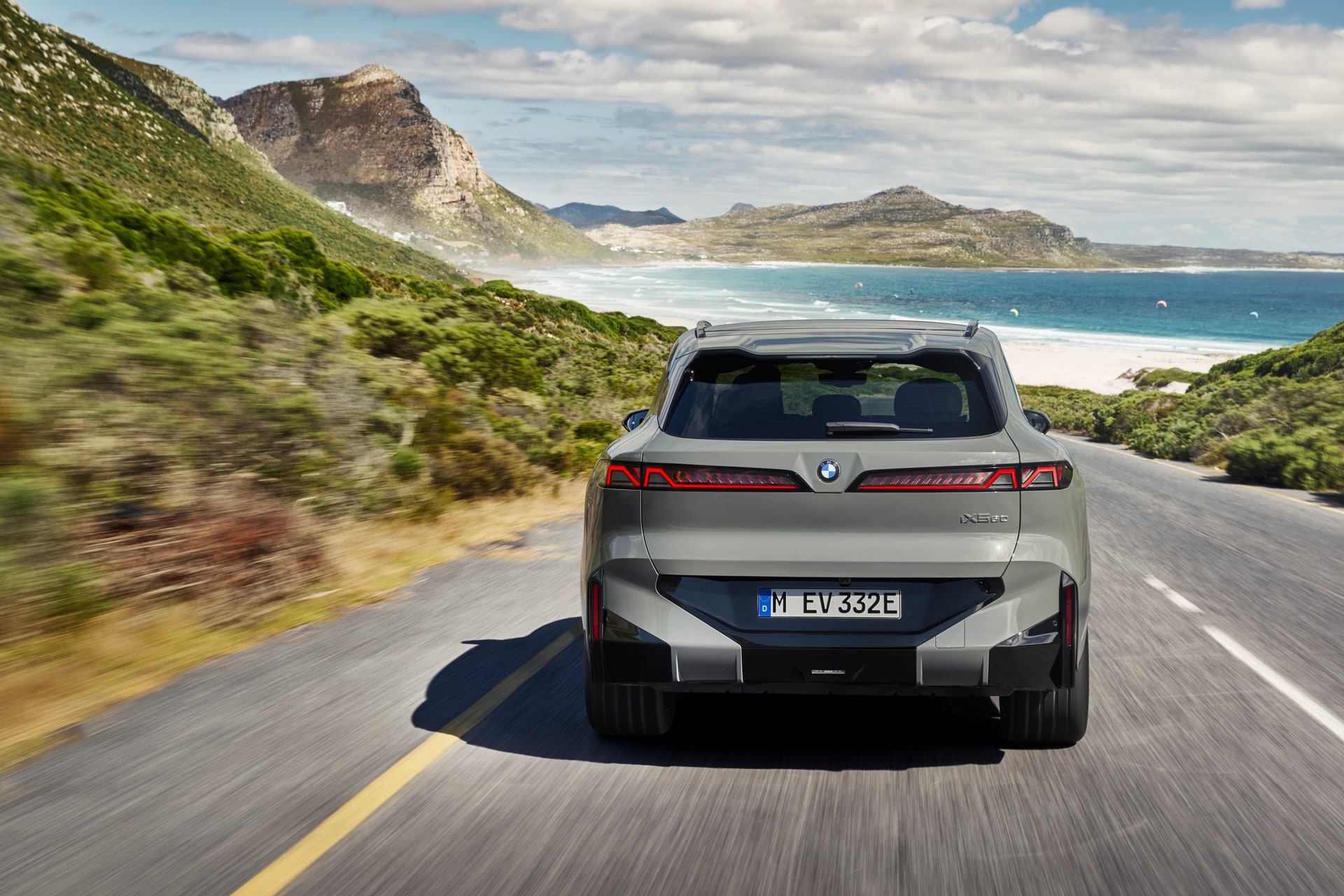
2. BMW X5 xDrive50e — from ~€95.000
The X5 plug-in hybrid's generational leap was significant. The battery capacity grew to around 25,7 kWh gross, and the official electric range is approximately 94-110 km WLTP, depending on the trim level and wheels. It is probably the large PHEV with the best combination of usable electric range and performance on the Spanish market.
With a combined 490 hp, the X5 50e isn't a sports car to be enjoyed—it's too heavy for that—but it delivers a punch rarely found outside of an M. And yet, when driven daily, it can go weeks without using a liter of fuel if your usual commute is under 80 km.
| Power | Fuel Efficiency: | Golden Label | WLTP electrical autonomy |
|---|---|---|---|
| 360 kW (490 hp) | PHEV | ZERO | ~94-110km |
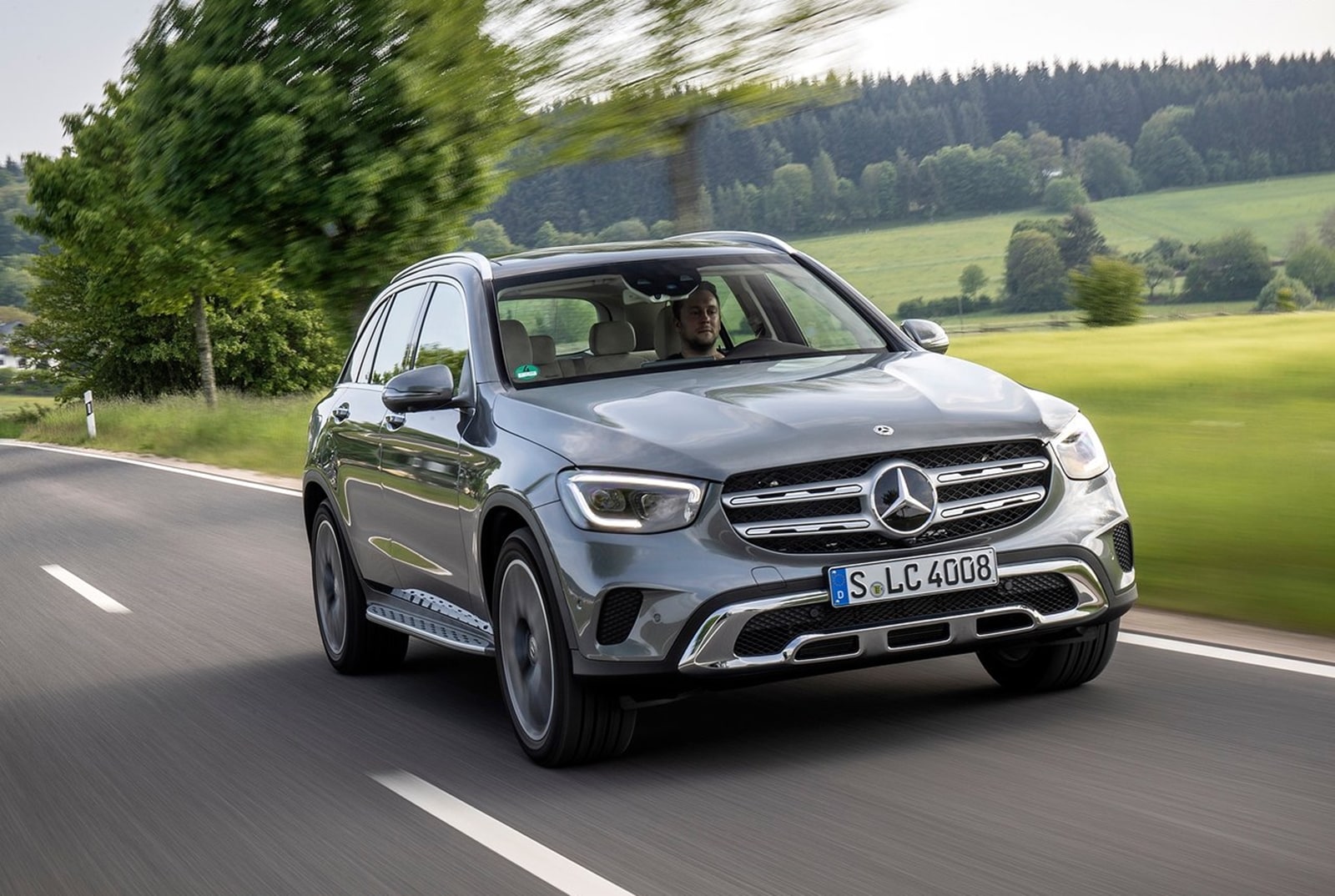
3. Mercedes-Benz GLC 300 e 4MATIC — from ~€72.000
Mercedes has done its homework with the current GLC plug-in hybrid. The 31,2 kWh gross battery (around 24 kWh usable) allows for a WLTP-rated range of approximately 130 km, a figure that would have seemed like science fiction for a PHEV just a few years ago. In real-world use, we're talking about 95-105 km of electric range with relaxed driving.
The downside? Extra weight and a smaller trunk compared to the equivalent diesel. Even so, for a buyer who drives 70-80 km daily and has a wallbox, the GLC 300 e is unbeatable in the premium C/D SUV segment. It offers DC fast charging up to 60 kW, something unusual in PHEVs and a game-changer when you don't have your own garage.
| Power | Fuel Efficiency: | Golden Label | WLTP electrical autonomy |
|---|---|---|---|
| 230 kW (313 hp) | PHEV | ZERO | ~ 130 km |
4. Range Rover Sport P460e — from ~€115.000
The plug-in hybrid Range Rover Sport is in a different price range, but it deserves to be here on its own merits. Its 38,2 kWh gross (31,8 kWh usable) battery provides a WLTP-rated electric range of approximately 113 km and accepts DC fast charging at 50 kW. It's an SUV weighing over 2,5 tons moving silently for two hours in the city.
However, the fuel consumption when the battery is depleted is honest—around 9-10 liters per 100 km in real-world highway driving. If you don't plug it in, it's a combustion-engine dinosaur. If you do, it's a luxurious, silent missile.
| Power | Fuel Efficiency: | Golden Label | WLTP electrical autonomy |
|---|---|---|---|
| 338 kW (460 hp) | PHEV | ZERO | ~ 113 km |
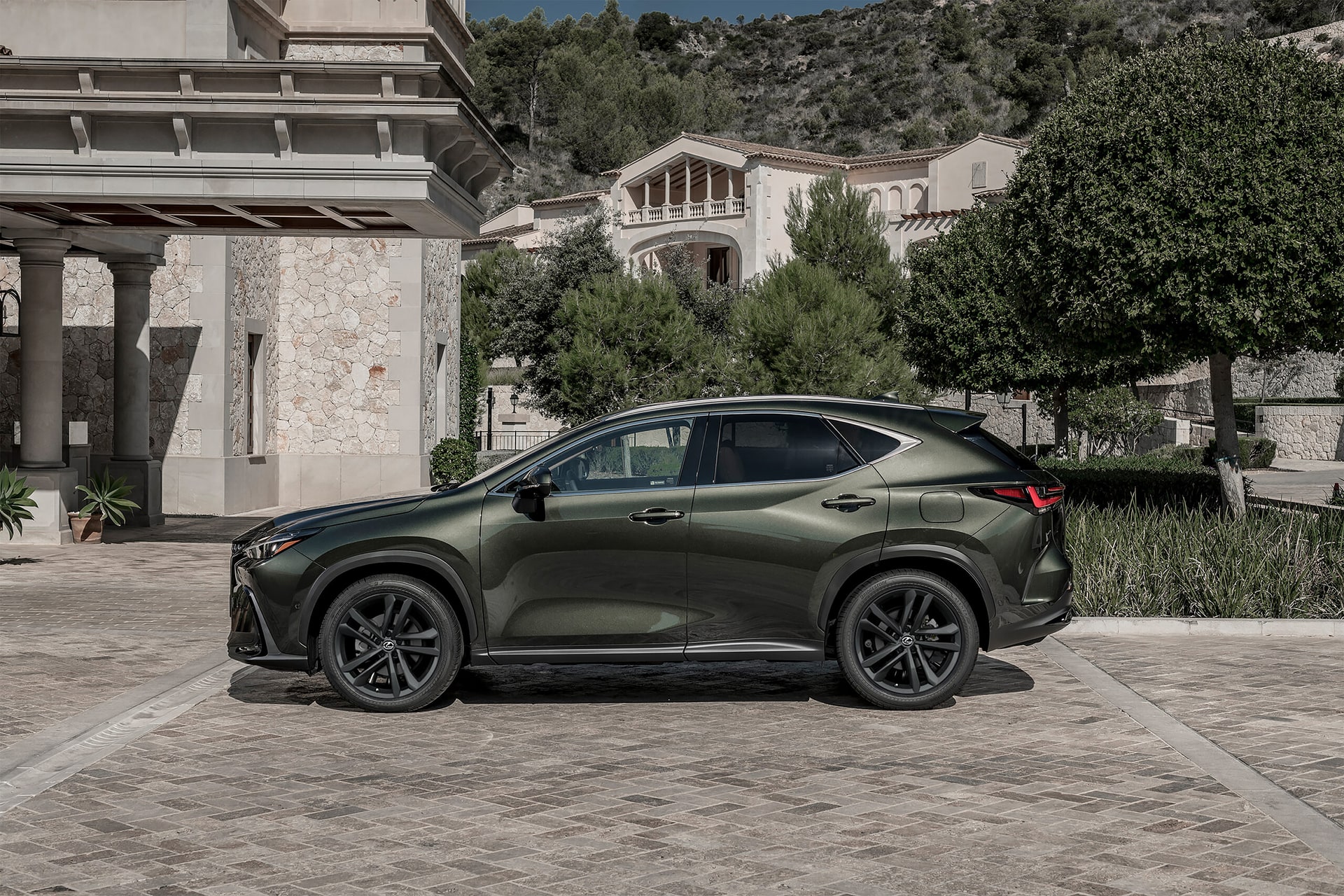
5. Lexus NX 450h+ — from ~€63.000
Lexus arrived later to the PHEV market, but the NX 450h+ is a solid and reliable option like few others. Its 18,1 kWh battery offers a WLTP range of around 76 km, a figure slightly below the German leaders, but with a powerful advantage: Toyota's mechanical traceability and remarkably low fuel consumption in hybrid mode, around 6 l/100 km when the battery is depleted.
It's the rational choice for those who want a premium PHEV without any surprises. For those seeking driving excitement, there are more interesting options.
| Power | Fuel Efficiency: | Golden Label | WLTP electrical autonomy |
|---|---|---|---|
| 227 kW (309 hp) | PHEV | ZERO | ~ 76 km |
6. BMW X3 xDrive30e — from ~€65.000
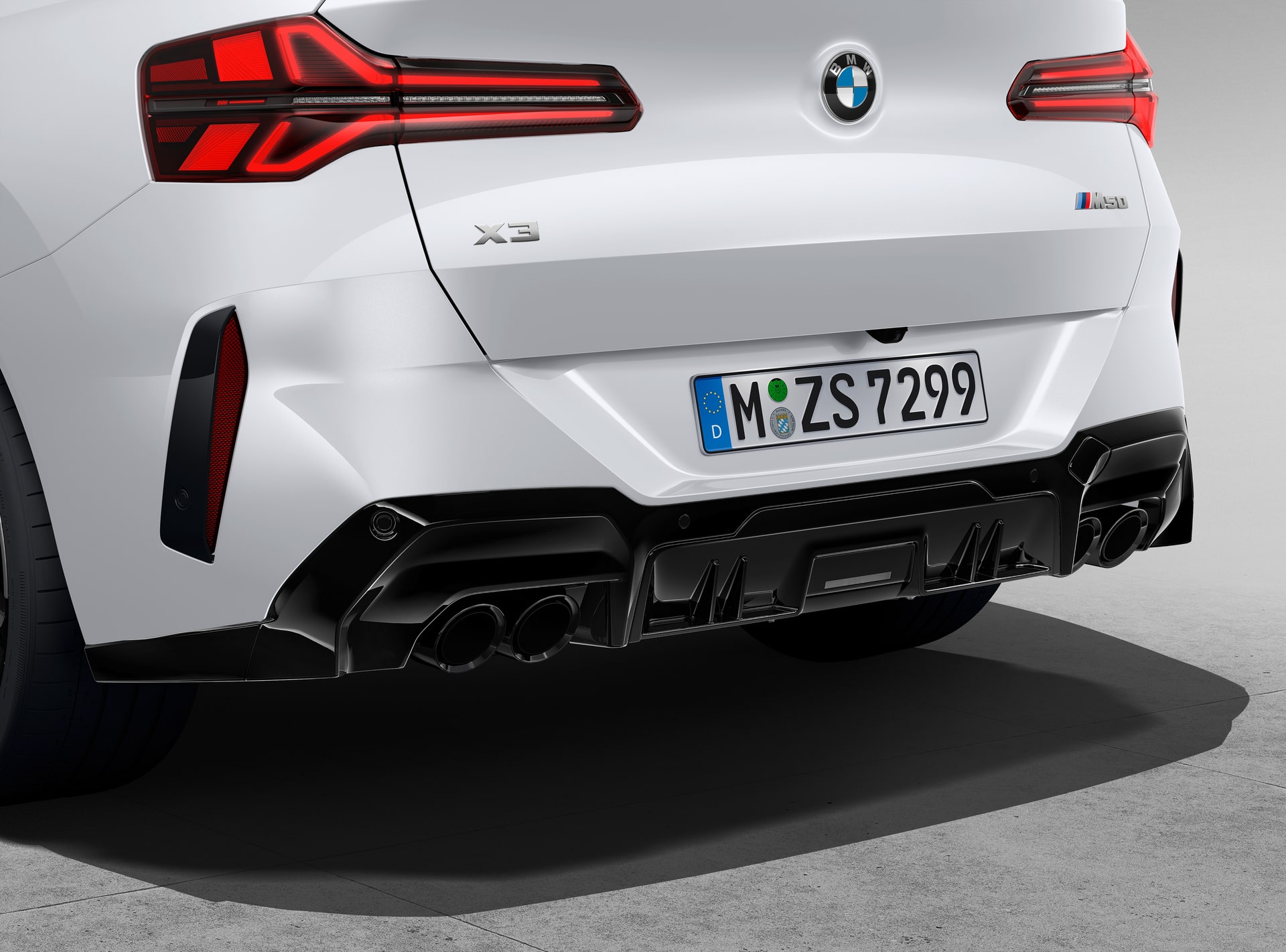
The current plug-in hybrid X3 falls slightly behind the X5 in electric range—around 90 km WLTP with the new battery—but compensates with a more accessible price and a more manageable size for city driving. As we saw in the direct comparison with the XC60 Recharge , the difference between the two ultimately comes down more to brand philosophy than to raw numbers.
| Power | Fuel Efficiency: | Golden Label | WLTP electrical autonomy |
|---|---|---|---|
| 220 kW (299 hp) | PHEV | ZERO | ~ 90 km |
7. Volvo XC90 Recharge T8 AWD — from ~€87.000
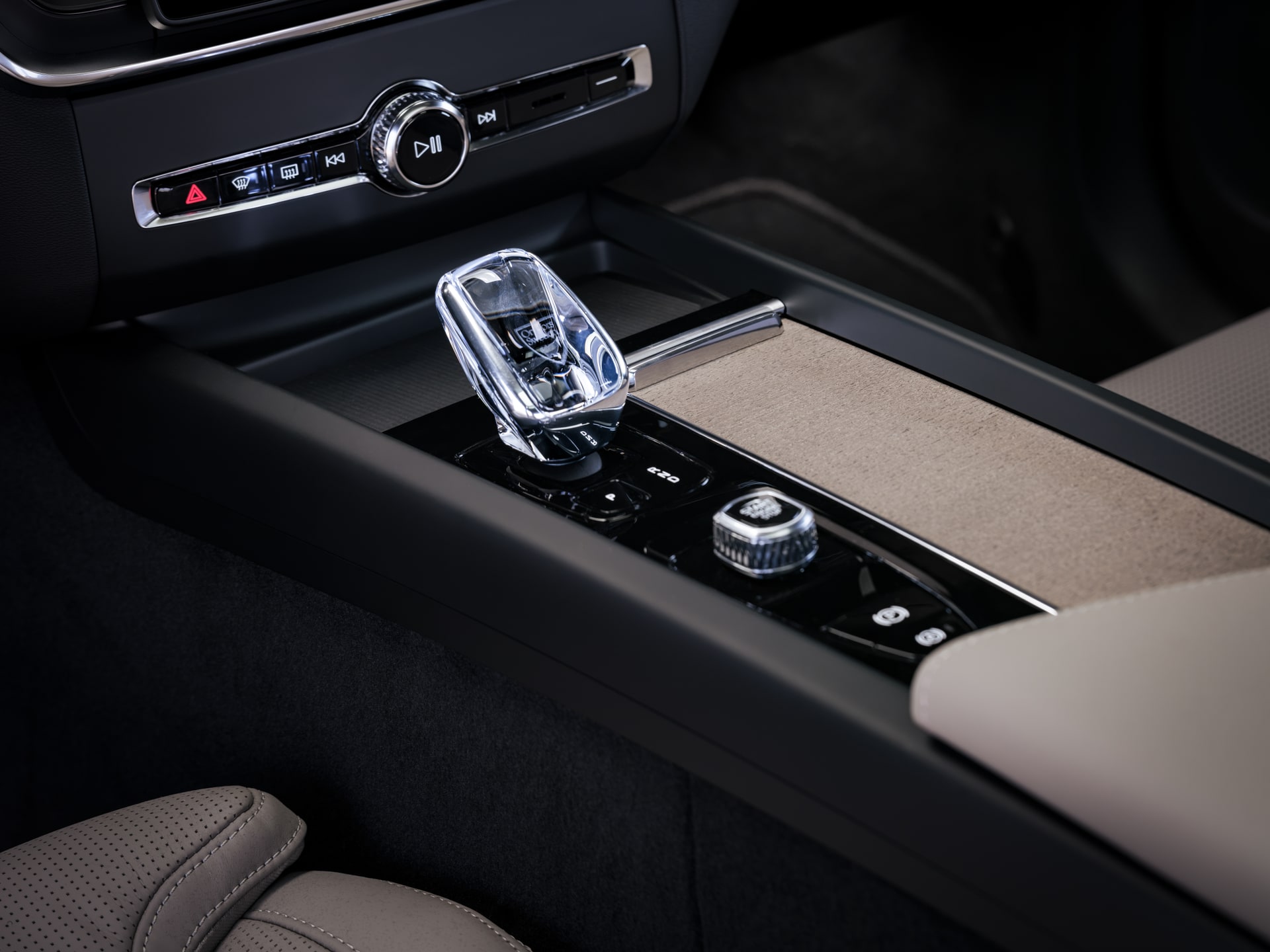
The XC90 Recharge closes out the ranking with a different proposition: seven seats, 455 hp, and a WLTP electric range of around 71 km. That's less than its smaller, more modern siblings, yes, but it remains the only premium seven-seat SUV with a ZERO emissions label that can travel a full urban journey without gasoline.
Volvo is keeping it as a stepping stone while it completes its transition to a fully electric range—the EC40 and ES90 are already paving that way. For large families who don't want to give up on PHEVs, the XC90 Recharge still has its place.
| Power | Fuel Efficiency: | Golden Label | WLTP electrical autonomy |
|---|---|---|---|
| 335 kW (455 hp) | PHEV | ZERO | ~ 71 km |
Summary table and overall score
| Córdoba | WLTP electrical autonomy | Power | price from | Punctuation in Spanish |
|---|---|---|---|---|
| Mercedes GLC 300 e 4MATIC | ~ 130 km | 313 CV | ~ 72.000 € | 9,2 |
| Range Rover Sport P460e | ~ 113 km | 460 CV | ~ 115.000 € | 8,7 |
| BMW X5 xDrive50e | ~94-110km | 490 CV | ~ 95.000 € | 9,0 |
| BMW X3 xDrive30e | ~ 90 km | 299 CV | ~ 65.000 € | 8,4 |
| Volvo XC60 Recharge T6 | ~ 81 km | 350 CV | ~ 68.000 € | 8,6 |
| Lexus NX 450h + | ~ 76 km | 309 CV | ~ 63.000 € | 8,3 |
| Volvo XC90 Recharge T8 | ~ 71 km | 455 CV | ~ 87.000 € | 7,9 |
FAQ
Which premium PHEV SUV has the greatest certified electric range in Spain in 2026?
The Mercedes-Benz GLC 300 e 4MATIC leads the ranking with around 130 km WLTP of electric range, followed by the Range Rover Sport P460e (~113 km) and the BMW X5 xDrive50e (up to ~110 km depending on trim).
Does a premium PHEV SUV maintain its ZERO emissions label if the battery ages?
Yes. The DGT's ZERO emissions label is assigned at the time of registration according to the WLTP-certified range (minimum 40 km) and is not reviewed subsequently, even if the battery loses capacity over the years.
How much range is lost between WLTP and real-world range in a premium PHEV SUV?
In mixed use with mild temperatures, it is typical to obtain between 70% and 85% of the WLTP figure. On the motorway at 120 km/h in intense cold, the loss can reach 40-50%.
Is a premium PHEV SUV worth it if I don't have a charging point at home?
In our opinion, no. Without a wallbox or accessible home charging point, the premium PHEV becomes an expensive and cumbersome hybrid. The additional cost over a conventional hybrid is only justified if you charge it daily.
